
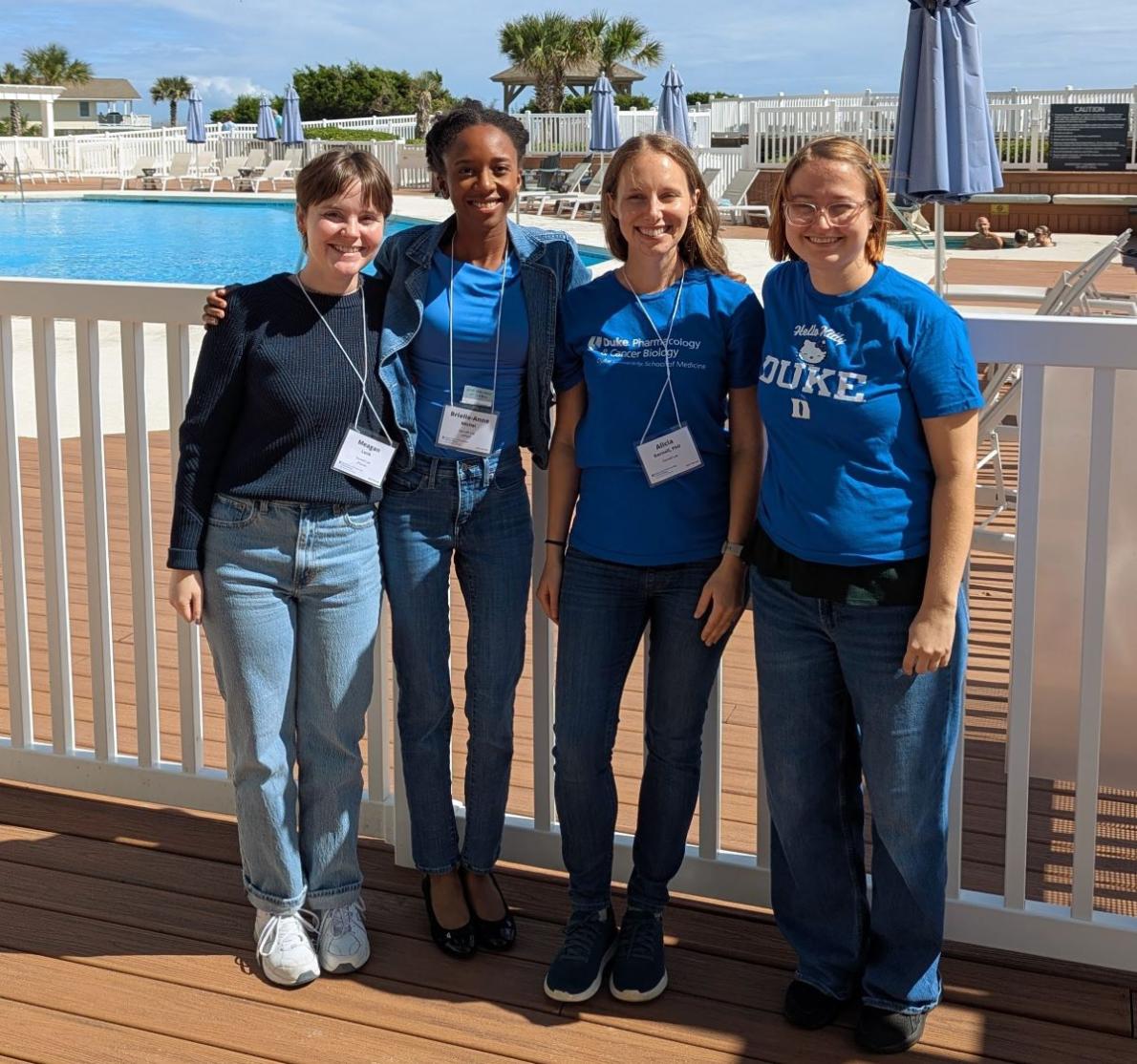
Lab Spotlight: Darnell Lab

What are the main scientific questions of your lab?
My lab’s work links cellular metabolism to gene expression by defining how amino acid limitation directly disrupts translation. We believe that ribosome stalling leading to premature translation disruption during amino acid limitation represents an understudied but physiologically relevant mode of translation elongation regulation. We are particularly excited to understand how it can be highly codon-specific and how it is mechanistically distinct from previously described models of ribosome stress, as well as its endogenous targets and consequences.
How does your research impact the understanding or treatment of cancer or other human diseases?
Cancer is a disease characterized by high cellular proliferation and metabolic rates. As most of the mass of a cell is protein, cancer cells must maintain a correspondingly high rate of protein synthesis to continuously replicate their proteomes. Amino acid limitation has been used for decades as a therapeutic strategy to selectively target cancer cells, with enzyme-based drugs that degrade amino acids in circulation both approved for use and in active clinical trials. By illuminating how amino acid deprivation affects the critical process of protein synthesis, including effects on gene expression and cellular stress, our work provides mechanistic insight into the question of why some cancers respond to these drugs and how they work to target cancer cells.
Tell us about your mentoring style and your lab (and your former trainees).
I believe that the best science comes from a diverse and inclusive team of mentors and mentees with a strong communal investment in the success of its other members. I try to foster a warm, supportive, communicative, and fun environment in which lab members feel empowered to tackle difficult questions. While it’s essential for trainees to take intellectual ownership over their projects and become the expert in their area of work, I believe in starting people from a strong foundation and am always available to help with ideas, advice, and constructive feedback.
What else do you want to share about the lab?
We are a new lab, having opened our doors in September 2024. We work closely with the Chidley lab, which opened at the same time next door. We are very grateful to be part of many layers of welcoming communities here at Duke, starting with the PCB department. If you’re excited about ribosomes and metabolism, please see our website or reach out to learn more about us!